Large surface grinding
Tight flatness, parallelism, thickness and surface-finish control on workpieces up to 3,000 kg.
ExplorePatt Precision Machining
External job-shop capacity for large grinding, wire EDM, CNC machining and turning—supported by drafting, CAM, inspection and three decades of surface-engineering experience.
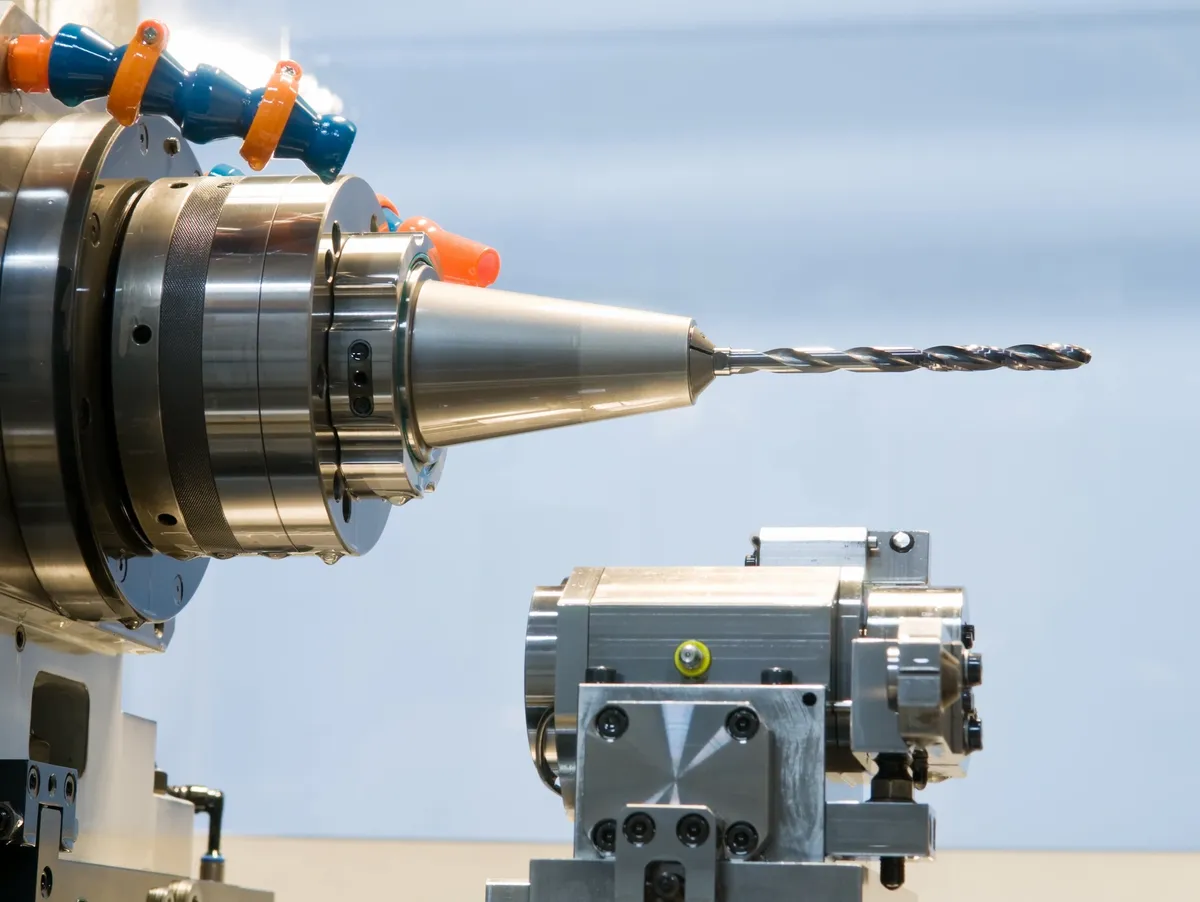
Core shop capabilities
Patt is best positioned for large or heavy work, hardened materials, extrusion tooling, repair and jobs that combine machining with heat treatment or nitriding.
Tight flatness, parallelism, thickness and surface-finish control on workpieces up to 3,000 kg.
ExploreComplex profiles in conductive hardened steels, stainless alloys, titanium, nickel alloys and carbide.
ExploreSmall-to-medium runs, heavy parts, tooling, repair work and process-critical components.
ExplorePatt specializes in grinding components where flatness, parallelism, thickness and surface finish determine how the assembly performs. Work includes hardened-steel tooling, plates, mating faces and precision machine components. Large surface-grinding capacity accommodates workpieces up to 1,500 × 1,000 × 900 mm and 3,000 kg.
Grinding can be coordinated with CNC machining, wire EDM and plasma nitriding within the same project. Identifying the reference faces, stock allowance, material condition and final inspection requirements at quotation helps establish the right machining and treatment sequence. Send a drawing with the critical flatness, parallelism and finish requirements for a grinding quote.
Request a grinding quoteWhy Patt for difficult work
Patt’s machinists, designers and programmers regularly work through tolerance stacks, fixturing, heat-treatment distortion, material substitutions and post-treatment finishing.
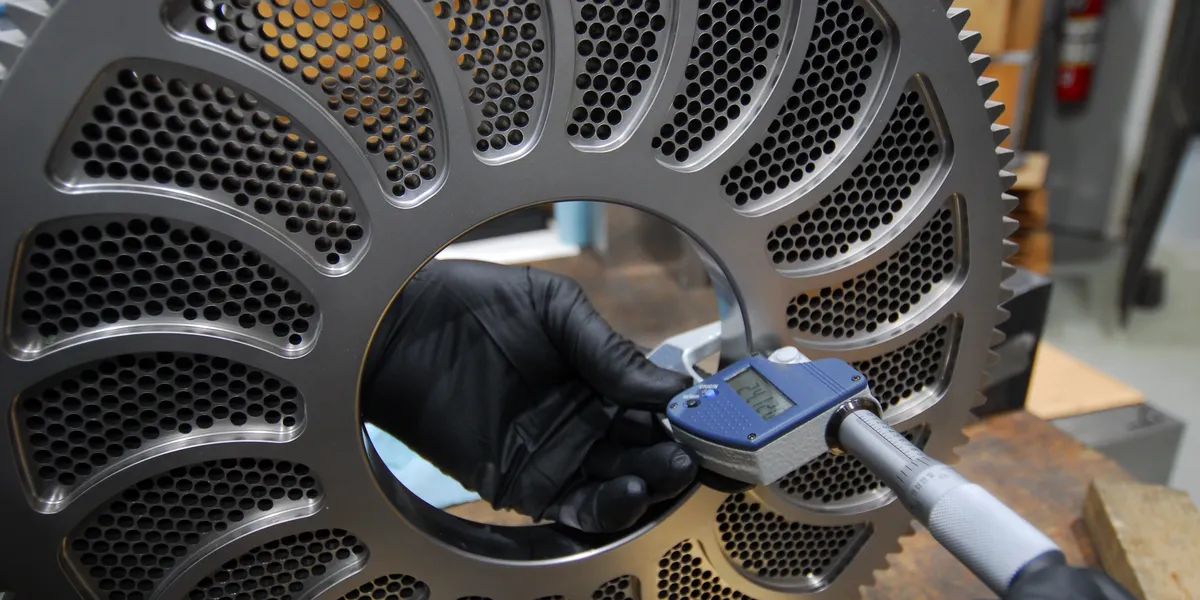
Patt machines the components that connect the extrusion line: dies, adapters, crossover pipes, elbows, flanges and breaker plates. We bring machining and surface-engineering experience together to address melt passages, mating faces and the interfaces between extruder, filter and downstream tooling.


| Component | Design and machining focus |
|---|---|
| Dies and die components | Strand dies, melt-distribution passages, die faces and mating surfaces. Material and surface treatment selected for wear, corrosion and cleaning requirements. |
| Adapters and flanges | Transitions between extruder, filtration system and die, with coordinated bore geometry, sealing faces and bolt patterns. |
| Crossover pipes and elbows | Melt-transfer routes adapted to the installation layout, connection orientation and heating arrangement. Smooth transitions and access for cleaning are part of the design review. |
| Breaker plates | Machined flow openings and screen-support surfaces, including waved geometries that match wave-shaped screen packs. |
Send a drawing or installation layout with the polymer, temperature, pressure, connections and required quantities. Patt can review machining, tooling-steel selection and plasma nitriding together. The stainless strand die shown above is an example of low-temperature nitriding applied to extrusion tooling.
Explore Patt tooling steelsprecision-machining
| Process | Machine/travel envelope | Maximum workpiece | Weight |
|---|---|---|---|
| Surface grinding | 1,500 × 1,000 × 900 mm | Drawing review required | 3,000 kg |
| Wire EDM | 800 × 600 × 505 mm | 1,250 × 1,020 × 505 mm | 3,000 kg |
| CNC milling | 840 × 840 × 760 mm | 940 × 940 × 1,000 mm | 1,500 kg |
| Turning | 670 mm swing | 2,000 mm between centres | Drawing review required |
Specifications are configuration-dependent and are confirmed during application review.
Send your drawings or CAD files, material, quantity, critical dimensions and tolerances, surface finish, heat-treatment requirements and required delivery date. Identify any inspection or material-certification requirements.