Designed and manufactured in Quebec since 1986

Surface engineering since 1992

Pulse plasma nitriding services in Quebec

Patt develops alloy- and geometry-specific plasma nitriding recipes by controlling temperature, gas chemistry, pressure, pulse parameters and bias voltage.

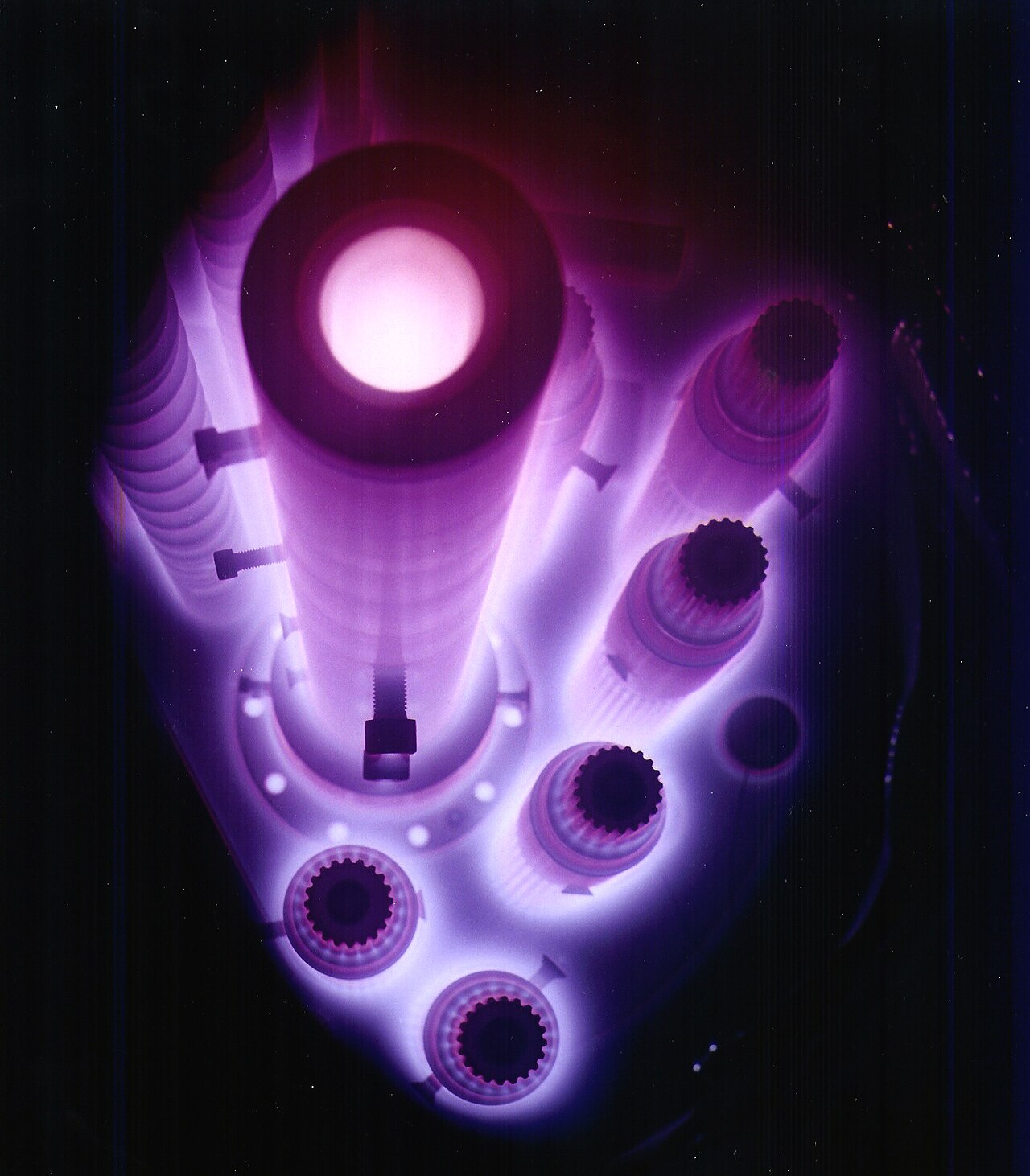
Components surrounded by the glow of pulse plasma nitriding
1992Plasma nitriding in production
PulseProcess control
Low TDistortion-focused routes
CustomAlloy-specific recipes

Pulse plasma nitriding: control at the working surface

Pulse plasma nitriding uses an electrical discharge in a low-pressure nitrogen and hydrogen atmosphere to activate the surface and introduce nitrogen into the metal. Nitrogen diffuses below the surface to create a hard case while the core retains its load-bearing role. Pulsed power gives direct control over the discharge and heat input. Compared with conventional ammonia-gas or molten-salt routes, plasma offers practical advantages in selective mechanical masking, surface activation and control of the diffusion and compound layers, with no molten-salt carryover. Treatment below the material’s previous tempering temperature helps limit core softening, and no final hardening quench is required. Patt adjusts the cycle to the alloy, geometry and intended contact conditions.

Three treatment avenues

Choose the surface for the service

Diffusion depth, stainless surface hardening and compound-layer design address different contact demands.

01

Conventional plasma nitriding

A supporting diffusion case for abrasive wear, sliding contact and fatigue resistance. Suited to H13, H11, nitriding steels and suitable quenched-and-tempered alloy steels. Case depth and compound-layer thickness are selected around the core hardness and loading.

Explore
02

S-phase and low-temperature stainless nitriding

Surface hardening for wear and galling control while preserving the required stainless corrosion behaviour. S-phase processing applies to austenitic grades such as 304 and 316L; martensitic and PH stainless grades use alloy-specific expanded-martensite routes, including Patt steels.

Explore
03

Engineered compound layer

A controlled iron-nitride surface layer for adhesive wear, scuffing and sliding contact. Gamma-prime, epsilon or mixed layers are selected with supporting diffusion depth. Typical materials include carbon and low-alloy steels, nitriding steels and selected tool steels.

Explore

Plasma nitriding · Case study

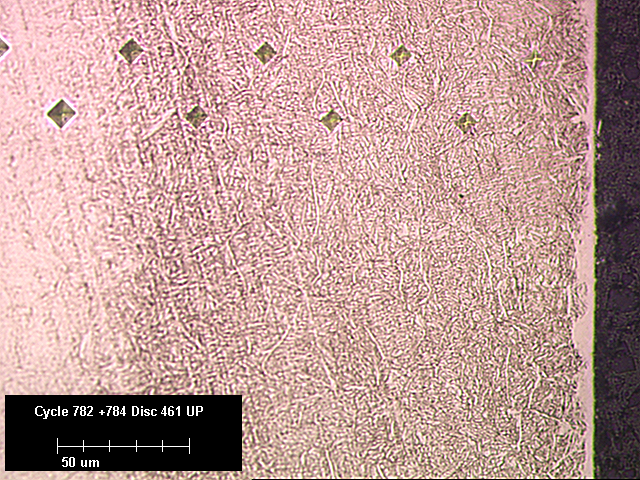
H13: case depth, hardness and sliding wear

See original cross-sectional micrographs and 24 hardness readings from two H13 traverses, alongside Patt’s 250 µm+ production case capability and reported wear improvements.

H13 nitriding case study
H13 cross-section: upper location (UP), with the original indentation track and 50 µm scale bar.

Steel, stainless steel, Inconel and titanium

Patt treats tool steels, martensitic and precipitation-hardening stainless steels, Inconel nickel alloys and titanium. Each material family needs its own surface activation, temperature and layer design. Our work covers dies, adapters, shafts, races, valves and precision wear parts, supported by machining, inspection and process development under one roof.

Surface engineering in practice

Nitrided and coated valve-train components illustrate surface engineering applied to parts with repeated contact and sliding motion.

In-house hardness checks for nitrided cases

Patt uses in-house hardness testers to check nitrided cases. Hardness checking supports our practical experience in selecting and controlling treatments for tooling and precision components. Specify the alloy, prior heat treatment, required hardness and inspection requirements with your enquiry so that the checks can be agreed for the part.

Application questions

Does Patt treat parts supplied by outside customers?

Yes. Pulse plasma nitriding is available for outside customers as well as Patt equipment. Send the alloy, previous heat treatment, part drawing, dimensions, quantity and required case or failure mode. Patt also treats suitable nickel alloys, including Inconel, and titanium.

Tell us about the part and its service conditions

Send the alloy designation, previous heat treatment and core hardness, drawing or dimensions, quantity, areas to treat or mask, and operating conditions. Include the wear or failure problem, target case depth and surface hardness if specified, final tolerances and required delivery date.

Request a nitriding review