Filtration media
Screen packs for polymer melt filtration
Laser-cut precision. Meshes matched to the melt. Patt supplies flat and wave-shaped screens in sintered or spot-welded constructions for extrusion, compounding and recycling.
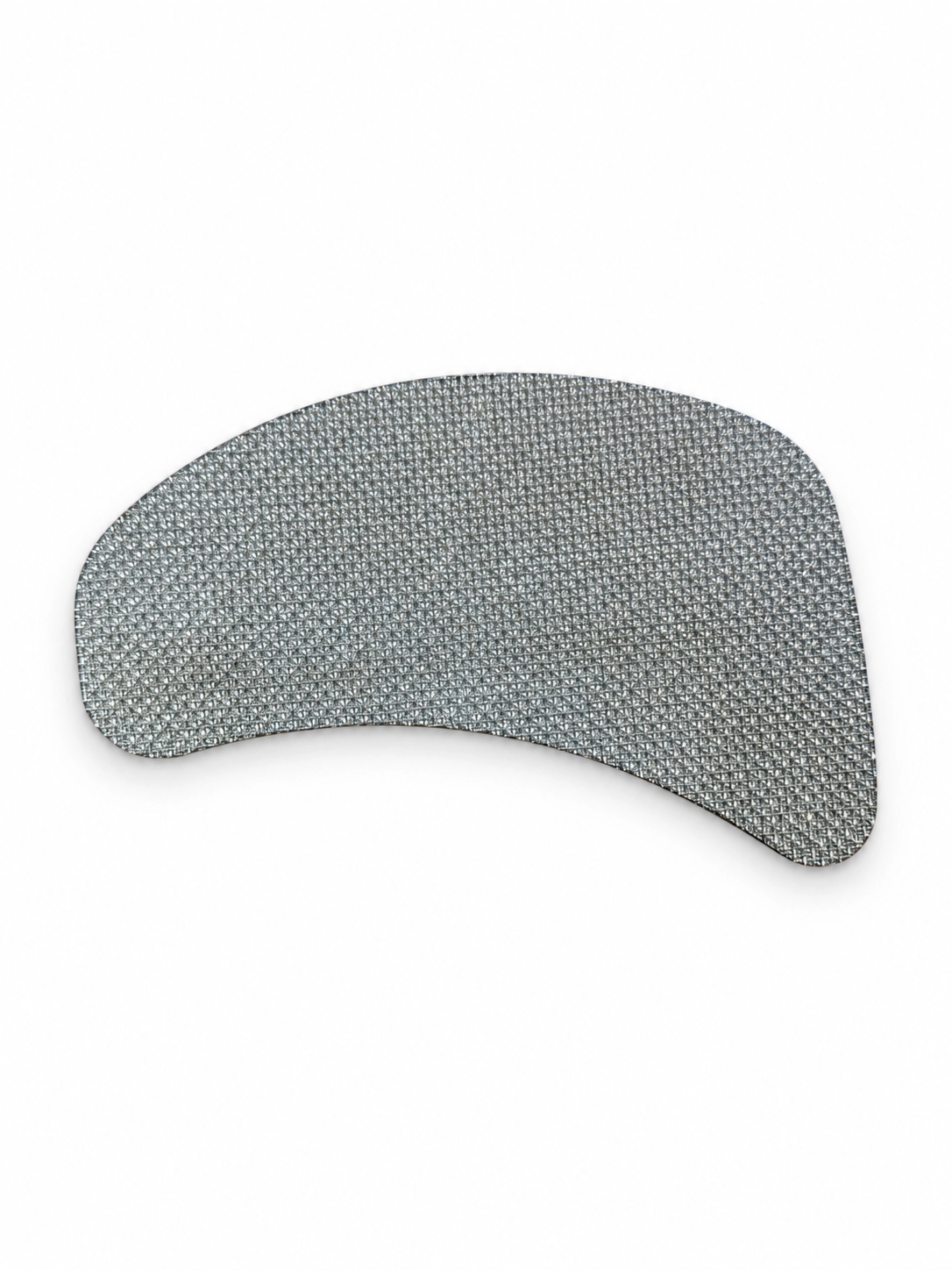
Laser cutting is our standard
Patt uses only laser-cut screens. Cutting the mesh without a stamping punch avoids the mechanical loading that can distort the weave at a punched edge. It also removes punch wear as a source of changing cut quality. This supports consistent profiles and a precise fit, including the curved outlines used in rotary filtration.
Two ways to assemble the mesh
Choose how the layers are held together around the handling and support requirements of your filter.

Sintered construction bonds the mesh layers into a coherent structure, helping retain their relationship during handling and service. Spot welding holds the selected layers together at defined points, producing a pack that is convenient to position and replace. The fine filtering layer and its support layers are selected together.
A wide variety of meshes and configurations
| Selection | What it controls |
|---|---|
| Mesh and weave | A wide variety of meshes to balance contaminant retention, open area and melt flow. Mesh count, wire diameter and weave determine the opening; mesh count alone is not a micron rating. |
| Layer sequence | Fine filtration layers combined with supporting meshes to suit flow direction and the breaker plate. |
| Assembly | Sintered or spot-welded construction. |
| Profile | Flat screens or wave-shaped screens with matching support geometry. |
| Fit | Outline, pack thickness, seating and support matched to the filter drawing. |
More surface within a wave profile
Patt can supply wave-shaped screens as well as flat screens. The formed profile increases the developed mesh area within a given projected footprint. Matching waved breaker plates support the screen and keep the flow passages aligned.


Match the pack to the process
For a replacement or new application, send the filter model or screen drawing, polymer, throughput, melt temperature, operating pressure, allowable pressure drop and contaminant description. Include the existing mesh sequence and required filtration fineness when available. Patt can then match the mesh, assembly and profile to your line.
Discuss a screen-pack requirementApplication questions
Does a mesh count define the filtration rating in microns?
No. Wire diameter and weave also determine the opening and flow resistance. Specify the target particle size, mesh construction, support layers and whether the required rating is nominal or absolute. Patt supplies laser-cut screens in sintered, spot-welded, flat and wave-shaped constructions.
Bring us the process problem, not just a part number.
Share the polymer, throughput, temperature, pressure, contamination and target filtration. Our team will define the right system or process route.