Designed and manufactured in Quebec since 1986

Surface engineering since 1992

Conventional plasma nitriding

A diffusion-hardened surface for tool steels and alloy steels exposed to wear, sliding contact and repeated loading. Patt develops pulse plasma nitriding treatments in Saint-Eustache, Quebec, supported by production experience since 1992.

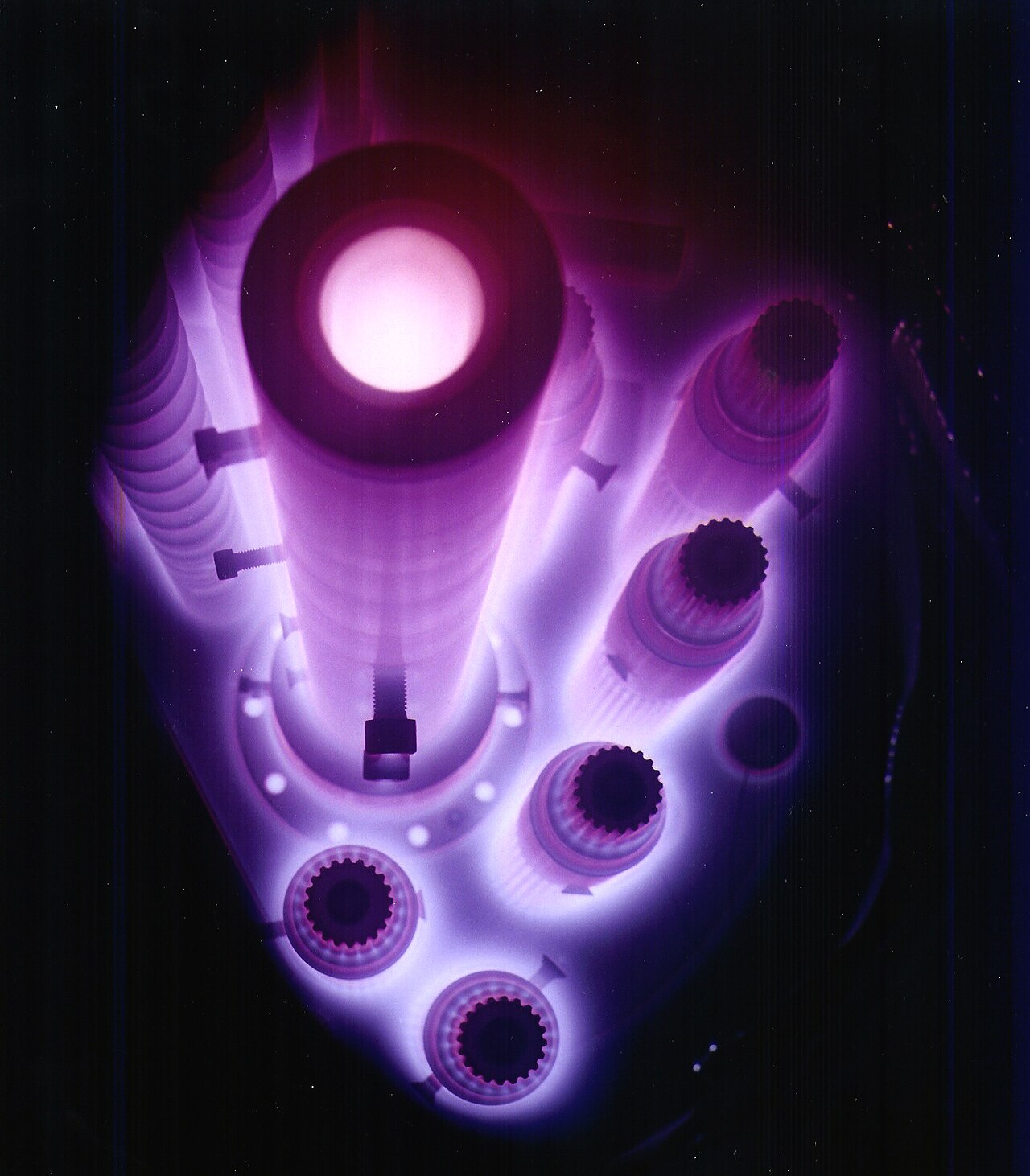
Components surrounded by the glow of pulse plasma nitriding

Build a supporting diffusion case

An electrical discharge activates the surface in a low-pressure nitrogen-containing atmosphere. Nitrogen enters the steel and forms a hardened diffusion zone; nitride-forming alloying elements influence the hardness response. Temperature, time and gas chemistry determine the treatment together with the starting material condition.

The diffusion case supports the working surface while the core carries the bulk load. Case depth, hardness gradient and compound-layer requirements are selected together. Treatment temperature is reviewed against the previous tempering or aging cycle, and the process does not require a final hardening quench.

Materials and applications

Material familyApplication and process focus
H13 and H11 tool steelsDies, tooling and wear surfaces; match the cycle to core hardness and prior tempering.
Nitriding steels and quenched-and-tempered alloy steelsShafts, sleeves, races and loaded sliding parts; define case depth and core support.
Stainless steel, Inconel and titaniumPatt also treats these families using their own process routes. Stainless corrosion requirements call for a separate review.

Control the areas that do the work

Drawings identify contact surfaces, bores, threads and areas to mask. Geometry, fixturing and surface preparation are reviewed to manage treatment coverage and dimensional response. Machining and inspection at Patt help coordinate the component condition before and after treatment.

Patt nitrided and coated valve-train components

Specify performance and inspection together

Include the steel designation, heat-treatment history, core hardness, drawing, quantity and service conditions. Identify required case depth, hardness, compound-layer limits and final dimensions. During quotation, agree on the inspection scope, including any hardness traverse, cross-section or dimensional checks and representative witness samples.

Compare nitriding treatments

Explore the other treatment routes

Diffusion depth, stainless surface hardening and compound-layer design address different contact demands.

02

S-phase and low-temperature stainless nitriding

Surface hardening for wear and galling control while preserving the required stainless corrosion behaviour. S-phase processing applies to austenitic grades such as 304 and 316L; martensitic and PH stainless grades use alloy-specific expanded-martensite routes, including Patt steels.

Explore
03

Engineered compound layer

A controlled iron-nitride surface layer for adhesive wear, scuffing and sliding contact. Gamma-prime, epsilon or mixed layers are selected with supporting diffusion depth. Typical materials include carbon and low-alloy steels, nitriding steels and selected tool steels.

Explore

Tell us about the part and its service conditions

Send the alloy designation, previous heat treatment and core hardness, drawing or dimensions, quantity, areas to treat or mask, and operating conditions. Include the wear or failure problem, target case depth and surface hardness if specified, final tolerances and required delivery date.

Request a nitriding review